
How to Choose an Ocean Freight Forwarder in the USA
A structured framework to evaluate and choose the right US ocean freight forwarder for routing, carrier coordination, and execution.
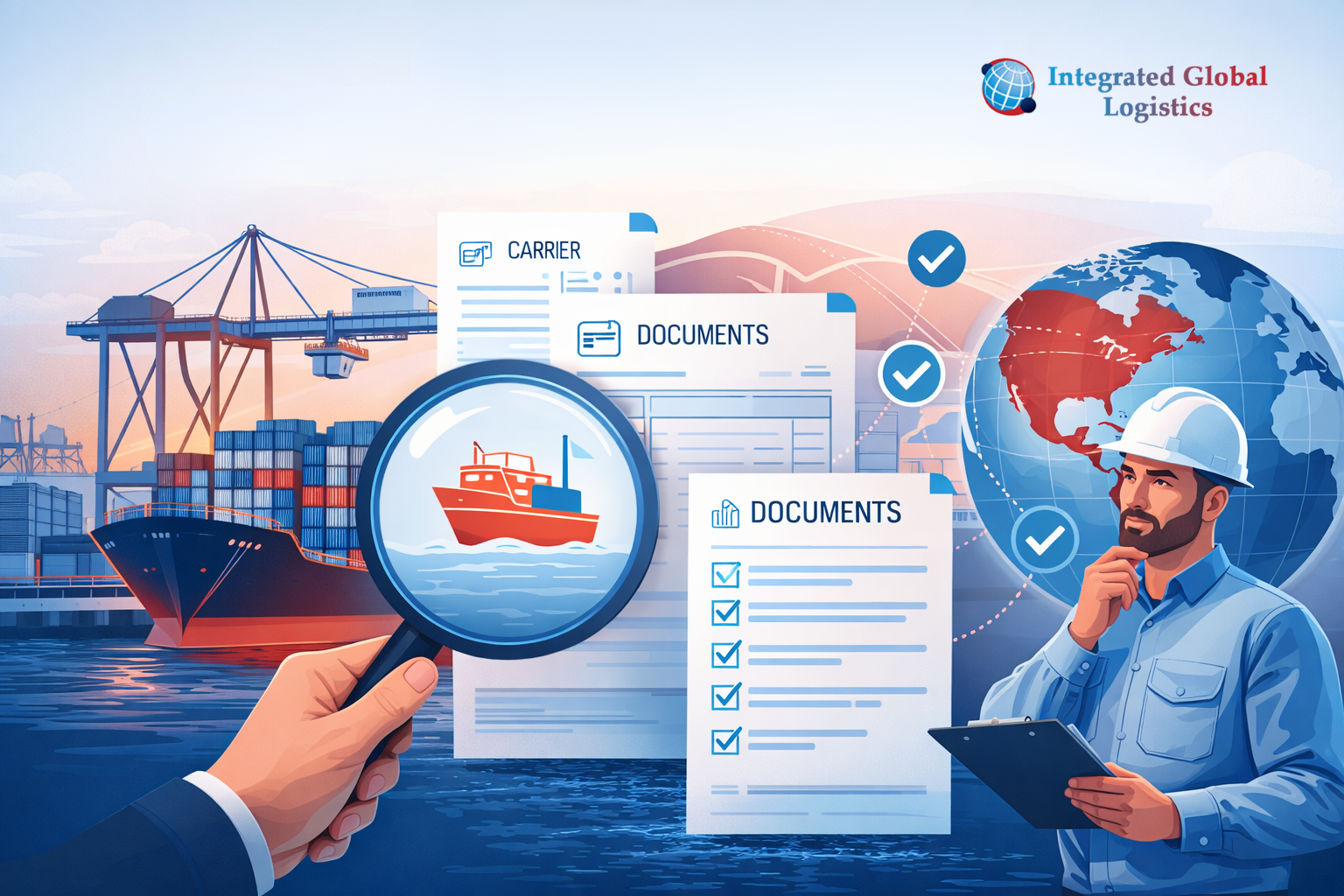
Choosing the right ocean freight forwarder in the USA is not simply about finding the lowest rate. It is about selecting a logistics partner that can manage routing, carrier coordination, documentation, and execution without exposing your shipment to avoidable risk.
Whether you are a US exporter shipping internationally or an importer moving cargo into the United States, your freight forwarder becomes responsible for planning, timing, and protecting your supply chain across ports, carriers, and customs environments.
This guide outlines a structured framework to help you evaluate and choose the right US ocean freight forwarder.
1. Evaluate Operational Experience, Not Just Market Presence
Many companies advertise ocean freight services. Fewer manage execution at the port level.
When evaluating an ocean freight forwarder in the USA, consider:
- Experience handling FCL and LCL shipments
- Familiarity with major US ports such as Los Angeles, New York and New Jersey, Houston, and Savannah
- Understanding of export and import documentation requirements
- Ability to coordinate inland movement to and from ports
Experience reduces uncertainty. In ocean freight, uncertainty increases cost.
2. Assess Carrier Coordination Capability
Ocean freight forwarding is fundamentally about coordination.
A forwarder should be able to:
- Secure vessel space during capacity fluctuations
- Manage schedule changes or rollovers
- Select routing based on transit time and reliability
- Balance cost and service performance
Carrier relationships matter, but what matters more is the forwarder's ability to actively manage those relationships on your behalf.
3. Understand Their Documentation and Compliance Strength
Ocean freight requires documentation accuracy. Errors lead to delays, penalties, and demurrage.
Your US ocean freight forwarder should be able to support:
- Bill of Lading coordination
- Export documentation preparation
- Import compliance handling
- Customs clearance coordination
- Regulatory alignment for specialized cargo
Forwarders who treat documentation as an afterthought increase operational risk.
4. Evaluate Visibility and Communication Standards
Ocean freight involves multiple parties across time zones. Clear communication prevents escalation.
Ask:
- How are shipment milestones communicated?
- Who handles exceptions or disruptions?
- Is there proactive status reporting?
- Is there a defined escalation process?
Visibility is not only about tracking systems. It is about structured communication and accountability.
5. Examine Risk Management and Problem Resolution
Ocean freight delays are not uncommon. What differentiates forwarders is how they respond.
A capable US ocean freight forwarder should demonstrate:
- Port congestion contingency planning
- Alternative routing flexibility
- Demurrage and detention management experience
- Inland trucking coordination when schedules shift
A forwarder who only books freight is different from one who manages freight.
6. Compare Pricing Structure with Service Depth
Cost matters. But price without structure leads to downstream expenses.
When comparing ocean freight forwarders in the USA:
- Confirm what is included in the quote
- Understand handling, documentation, and coordination charges
- Clarify who manages port related fees
- Ensure inland trucking integration if required
Ocean freight pricing should reflect service depth, not just booking capability.
Why US Based Ocean Freight Expertise Matters
Exporters and importers benefit from working with a US based ocean freight forwarder that understands:
- Major US port operations
- Carrier schedule realities
- Domestic inland logistics integration
- Regulatory documentation processes
Geographic proximity to ports such as Los Angeles, New York and New Jersey, Houston, and Savannah enhances coordination efficiency and reduces miscommunication.
When Should You Reevaluate Your Current Ocean Freight Forwarder
You may need to reconsider your current logistics partner if:
- Shipment delays are frequent and reactive
- Communication is inconsistent
- Documentation errors occur repeatedly
- Inland and ocean legs feel disconnected
- Cost fluctuations are unexplained
Ocean freight is too critical to operate without structured oversight.
Frequently Asked Questions
What criteria should businesses use to evaluate an ocean freight forwarder in the USA?
Businesses should evaluate a US ocean freight forwarder based on operational execution rather than pricing alone. Key criteria include experience with major US ports, ability to coordinate with multiple ocean carriers, documentation accuracy, inland trucking integration, visibility standards, and demonstrated risk management during port congestion or schedule disruptions. A forwarder's ability to manage exceptions is often more important than its initial quoted rate.
How does a US-based ocean freight forwarder improve shipment reliability?
A US-based ocean freight forwarder improves reliability by coordinating directly with domestic ports, managing carrier schedules across time zones, aligning export documentation with US compliance standards, and integrating inland trucking with port operations. Familiarity with ports such as Los Angeles, New York and New Jersey, Houston, and Savannah enables faster issue resolution and more predictable routing decisions.
What is the difference between booking freight directly with a carrier and using a US ocean freight forwarder?
Booking directly with an ocean carrier typically provides vessel space but limited coordination support. A US ocean freight forwarder manages routing strategy, documentation, port communication, inland movement, and schedule changes. Forwarders act as coordinators across multiple carriers and logistics stages, whereas carriers focus primarily on vessel transport.
Why is documentation expertise critical in ocean freight forwarding?
Ocean freight documentation errors can result in customs delays, demurrage charges, shipment holds, or regulatory penalties. A qualified ocean freight forwarder in the USA ensures accurate Bill of Lading handling, export documentation preparation, import coordination, and regulatory alignment. Documentation capability directly affects shipment clearance timelines and cost control.
When should an importer or exporter reconsider their current ocean freight forwarder?
Businesses should reassess their forwarder if they experience recurring shipment delays, inconsistent communication, unclear pricing structures, repeated documentation errors, or lack of proactive exception handling. Ocean freight execution requires structured oversight. If coordination feels reactive rather than managed, it may indicate insufficient operational control.
How does inland trucking coordination impact ocean freight performance?
Ocean freight does not end at the port. Inland trucking integration ensures containers are moved efficiently to and from ports without storage delays or scheduling gaps. When ocean and inland coordination are handled by separate parties without oversight, risk increases. Integrated freight management improves execution continuity.
Choosing a US Ocean Freight Forwarder with Execution Depth
Selecting the right ocean freight forwarder in the USA requires balancing cost, reliability, coordination, and accountability.
Integrated Global Logistics supports exporters and importers with structured ocean freight freight forwarding services that emphasize execution, carrier coordination, port familiarity, and integrated inland movement.
Our approach focuses on:
- Active carrier coordination
- Port level operational awareness
- Documentation accuracy
- Integrated trucking and freight management
- Proactive exception handling
If your supply chain depends on reliable ocean freight execution rather than transactional booking, it is important to evaluate your forwarder accordingly.
Speak With a US Ocean Freight Specialist
If you are reviewing your ocean freight strategy or evaluating forwarders in the United States, our team can help assess routing, carrier options, documentation requirements, and inland coordination.
Speak with a US Ocean Freight Specialist to structure your next shipment correctly →